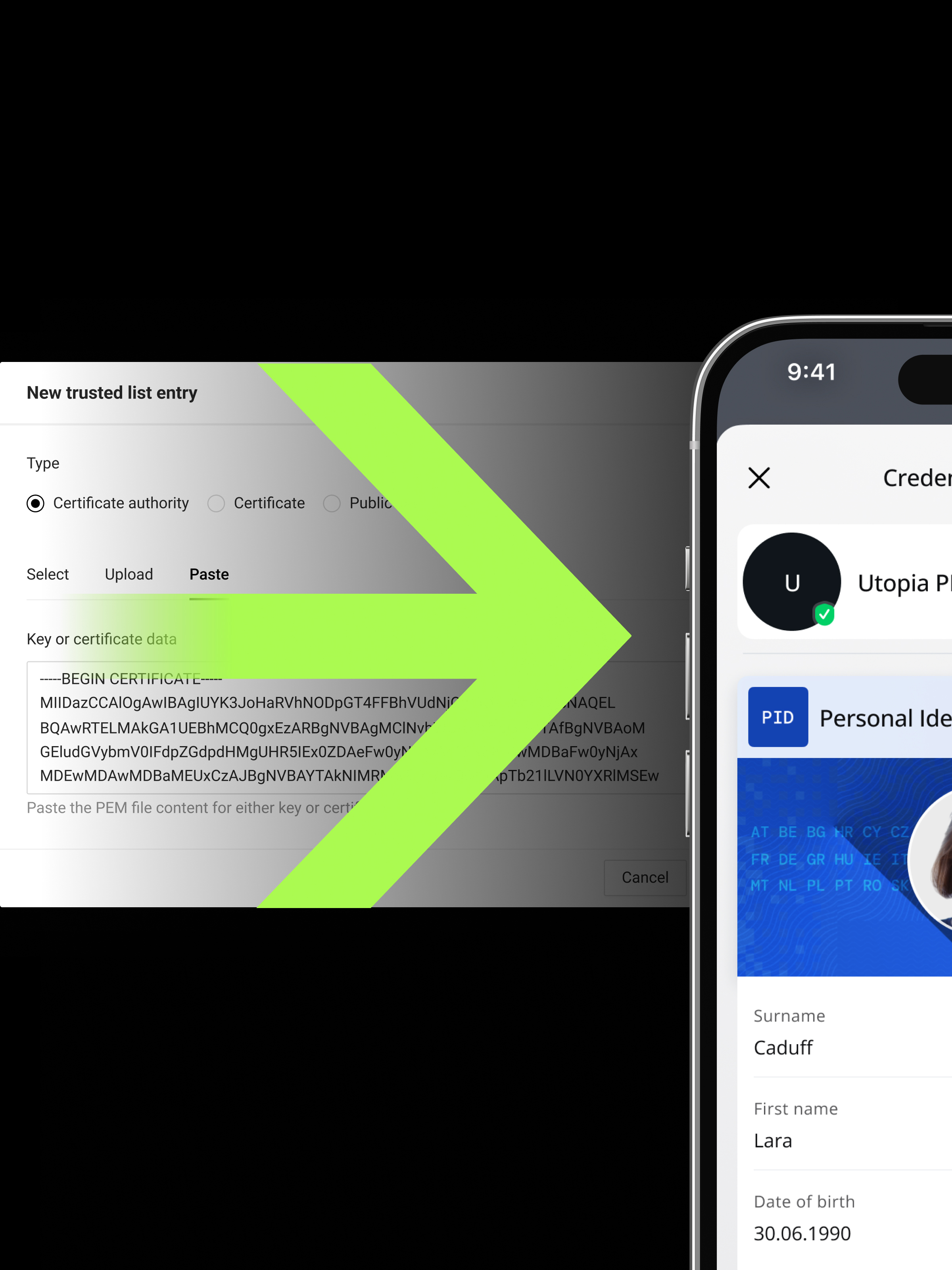
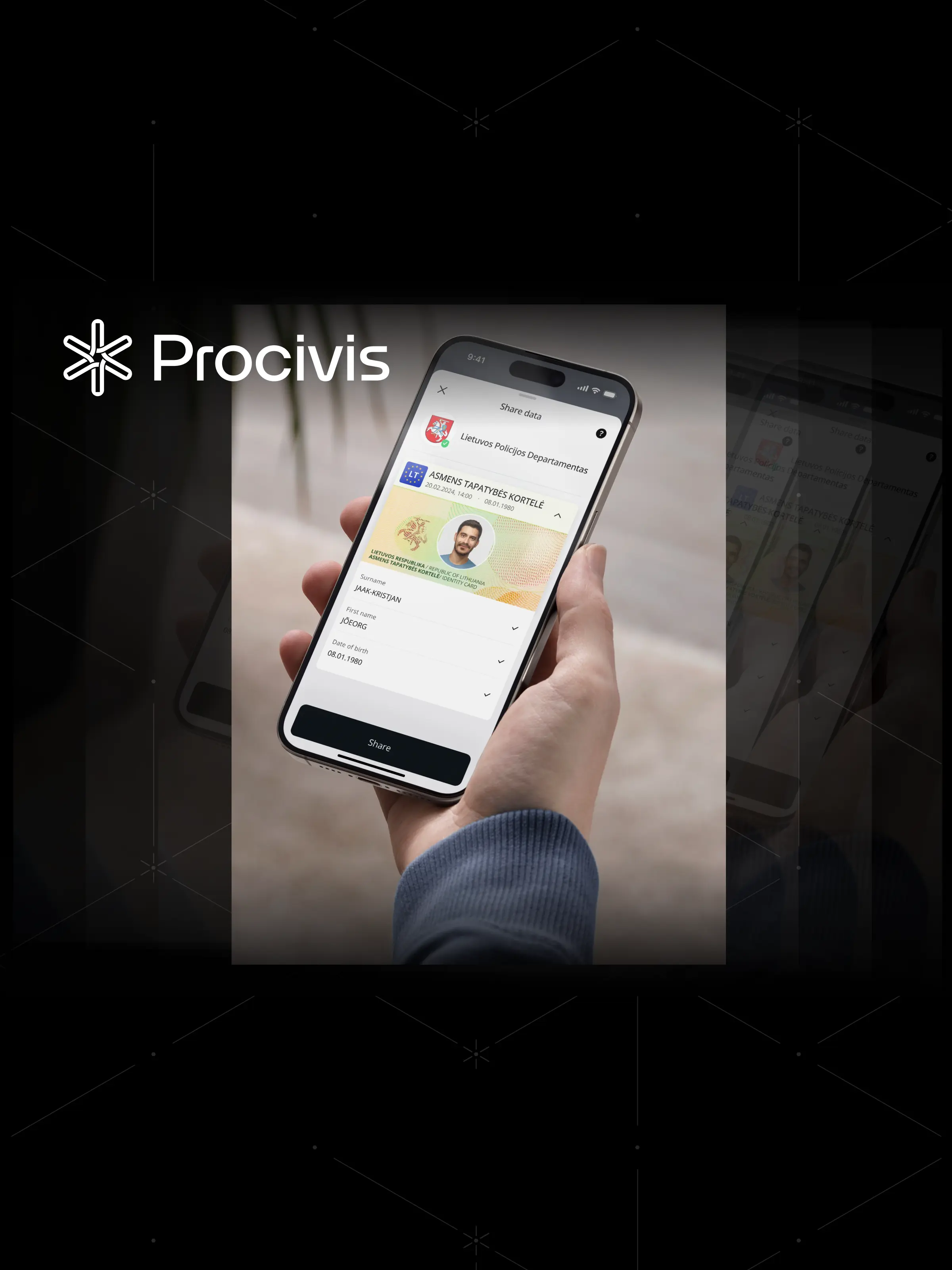
Lithuania is taking a pragmatic step toward the rollout of the European Digital Identity (EUDI) Wallet by establishing a national sandbox environment. Following a public procurement process, we were selected to provide Lithuania’s EUDI Wallet sandbox, working with the State Digital Solutions Agency of Lithuania (SDSA) to build a national testbed that supports national digital identity activities and readiness ahead of the EU-wide launch.
At the core of this initiative is Procivis One, our eIDAS 2.0-compliant technology for digital identity and wallets. The sandbox is designed to support the development of an interoperable ecosystem by enabling early validation across several dimensions:
- Key infrastructure: A platform to trial secure, user-centric digital wallet use cases for citizens, relying parties and national organizations
- Regulatory alignment: Practical preparation for eIDAS 2.0, which requires all EU member states to provide a national digital wallet by the end of 2026
- Cross-border usage: Testing seamless digital identity verification across national and cross-border scenarios, including public services, travel and car rental
The sandbox also plays a key role for projects within the LSP Aptitude consortium, one of the EU’s Large-Scale Pilots focused on validating digital identity use cases across specific sectors.
Over the 12-month project phase, Procivis One serves as a knowledge-building foundation for the future Lithuanian EUDI Wallet infrastructure. This environment allows stakeholders to test real-world journeys early, helping reduce uncertainty and accelerate learning ahead of large-scale rollout.
More broadly, the EUDI Wallet sandbox illustrates how member states are increasingly treating digital identity as a national priority. By validating practical user journeys now, Lithuania aims to reduce administrative friction and ensure its digital infrastructure remains among the most advanced in Europe. This approach reflects a growing recognition that interoperability, security and usability must be proven well before the 2026 deadline.
Check the full press release here.